Pocket Buddy

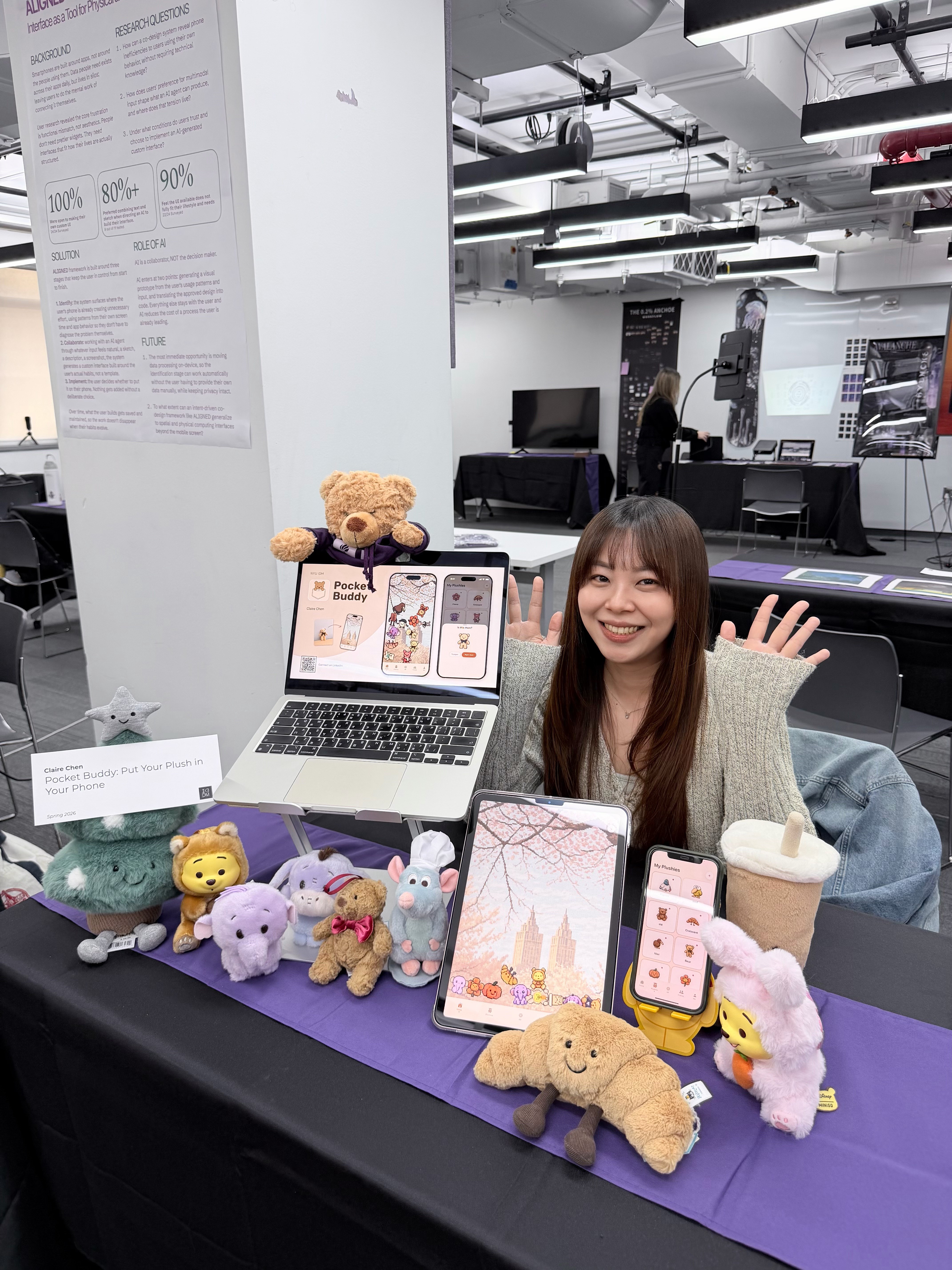
Pocket Buddy is a mobile app that transforms your own plush toy into a digital companion.

Pocket Buddy is a mobile app that transforms your own plush toy into a digital companion.

Role

Role

UX Researcher
Product Designer
iOS Developer

UX Researcher
Product Designer
iOS Developer

Timeline

Timeline

2025-2026
6 months

2025-2026
6 months

Skills

Skills

User Research
Product Design
iOS Development

User Research
Product Design
iOS Development

Motivation

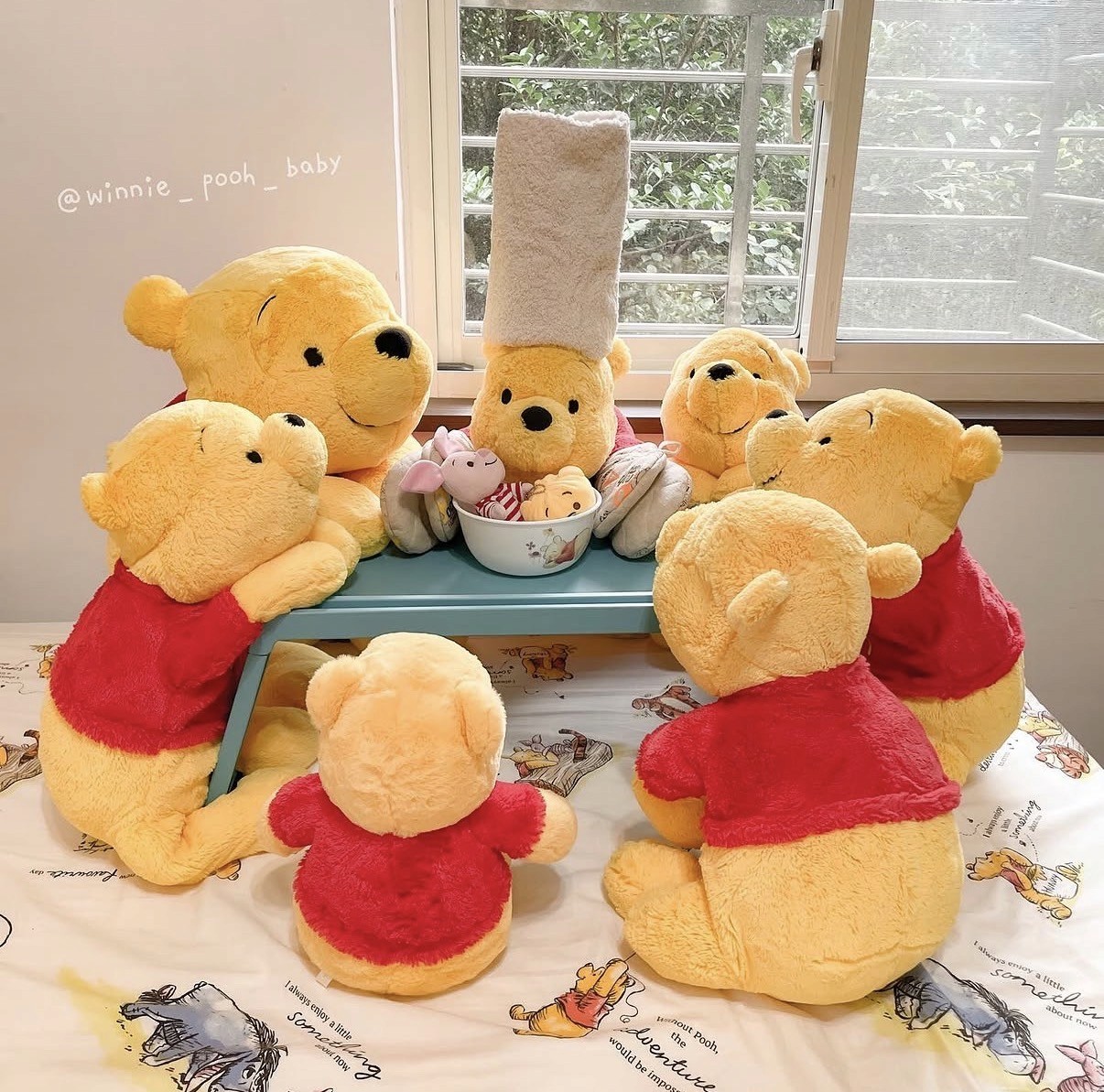
This project started from my personal experience. I’ve always loved plush toys, and I own quite a lot of them. I’d probably have even more if I had the space.

My Winnie the Pooh plush toys

My Winnie the Pooh plush toys

Motivation

This project started from my personal experience. I’ve always loved plush toys, and I own quite a lot of them. I’d probably have even more if I had the space.

My Winnie the Pooh plush toys

Cultural Background

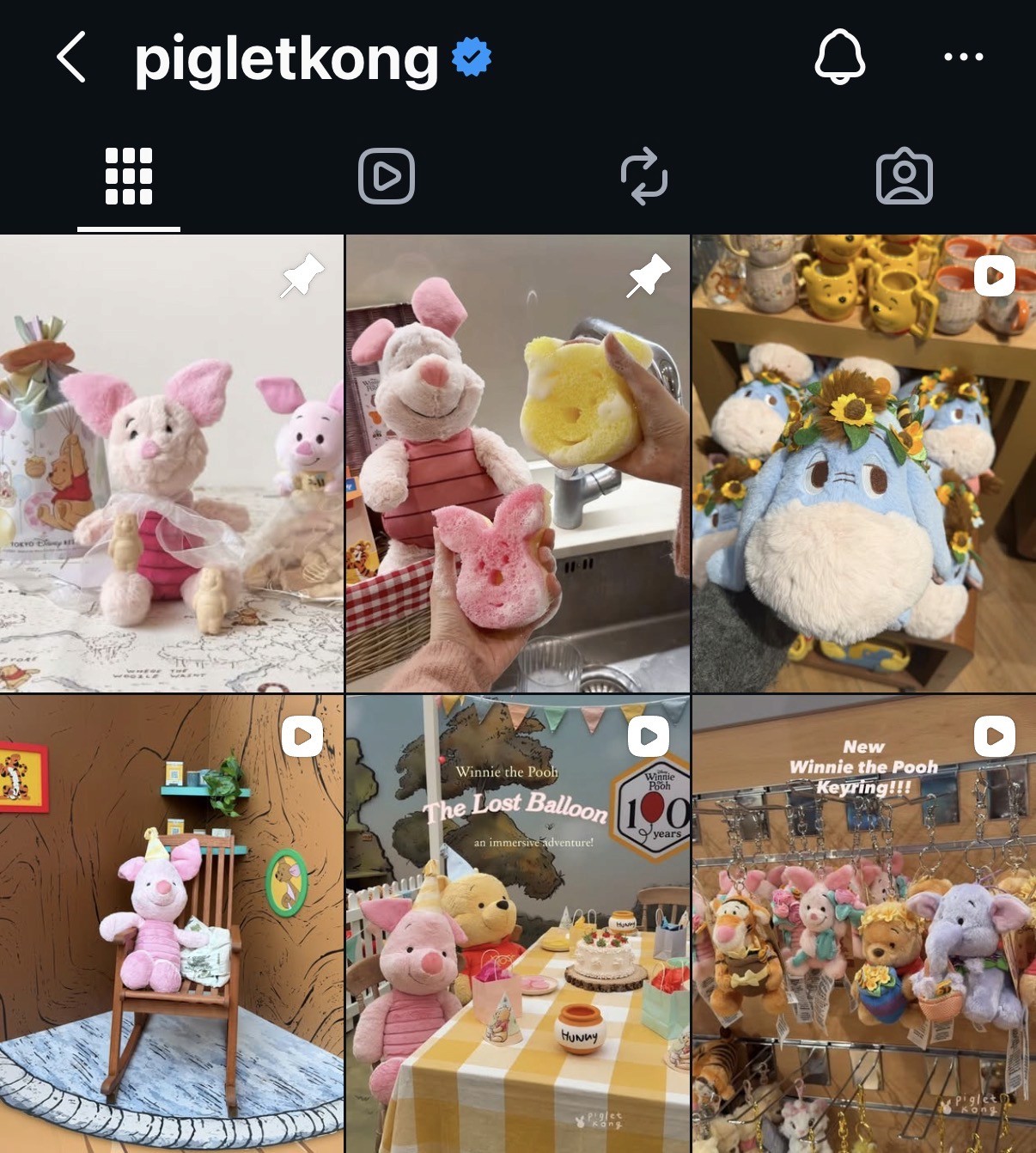
I've noticed that more and more adults are buying plush toys. Not for children, but for themselves.

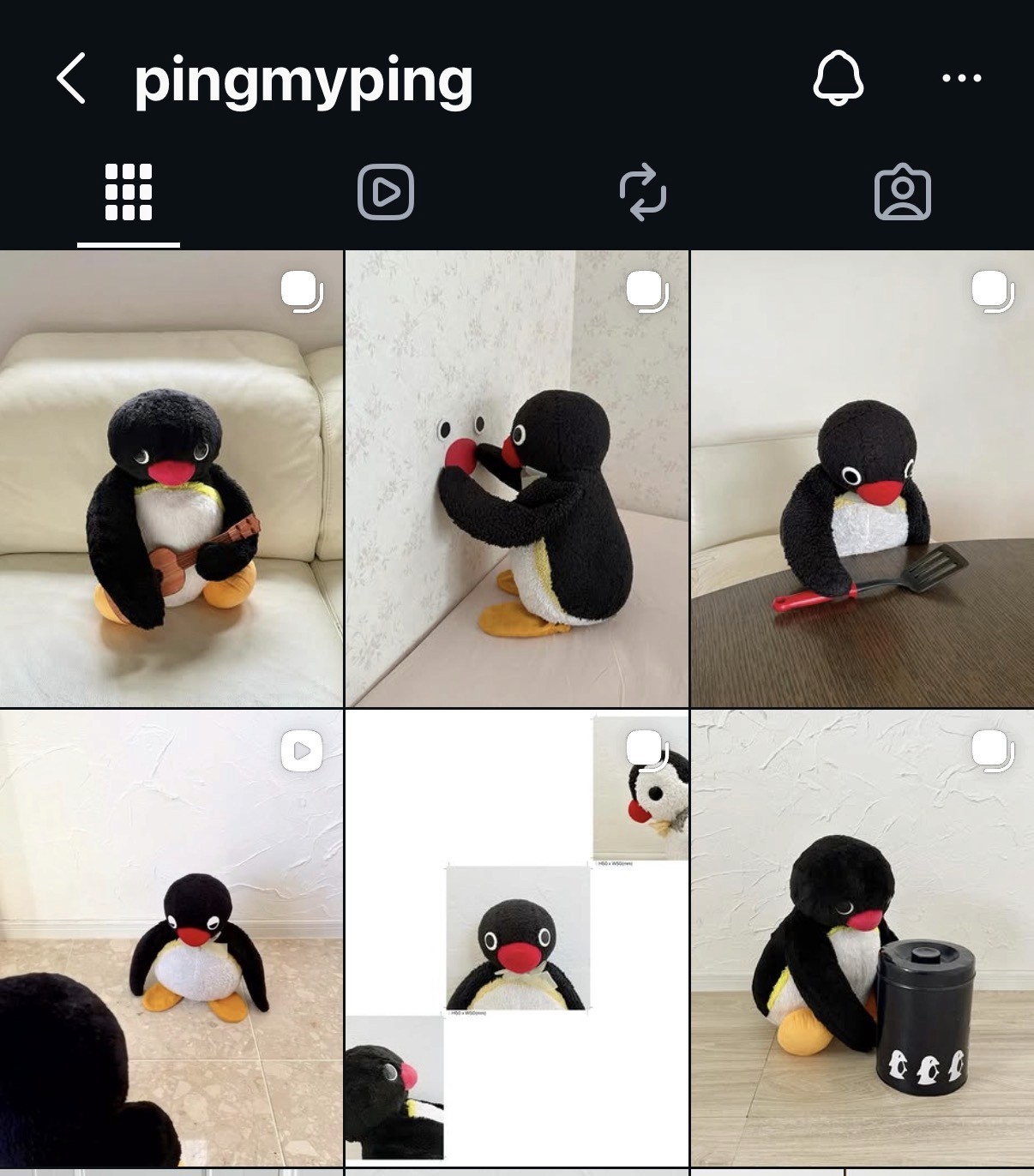
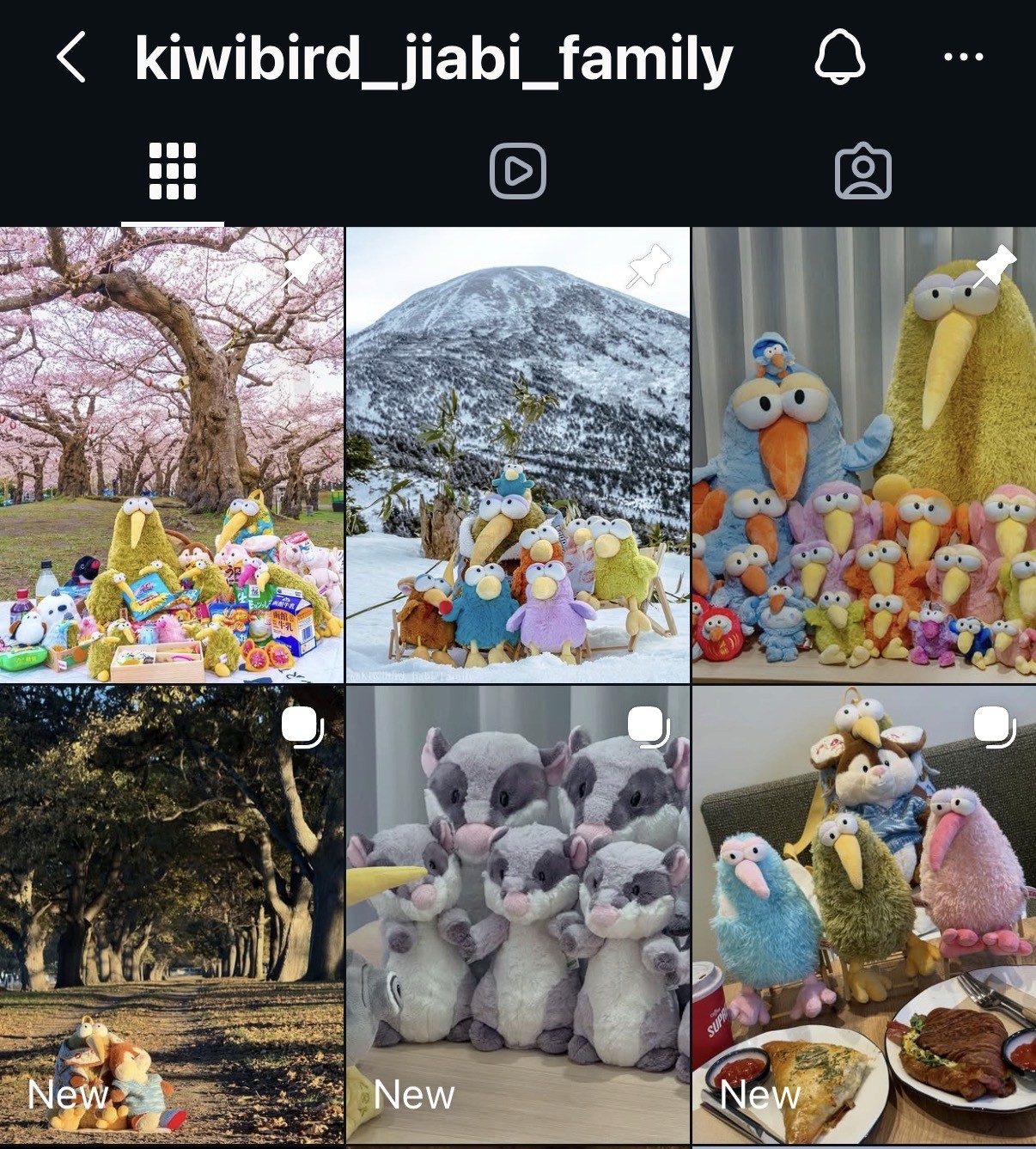
Also, on social media, adults name their toys, share photos, and treat them as companions.
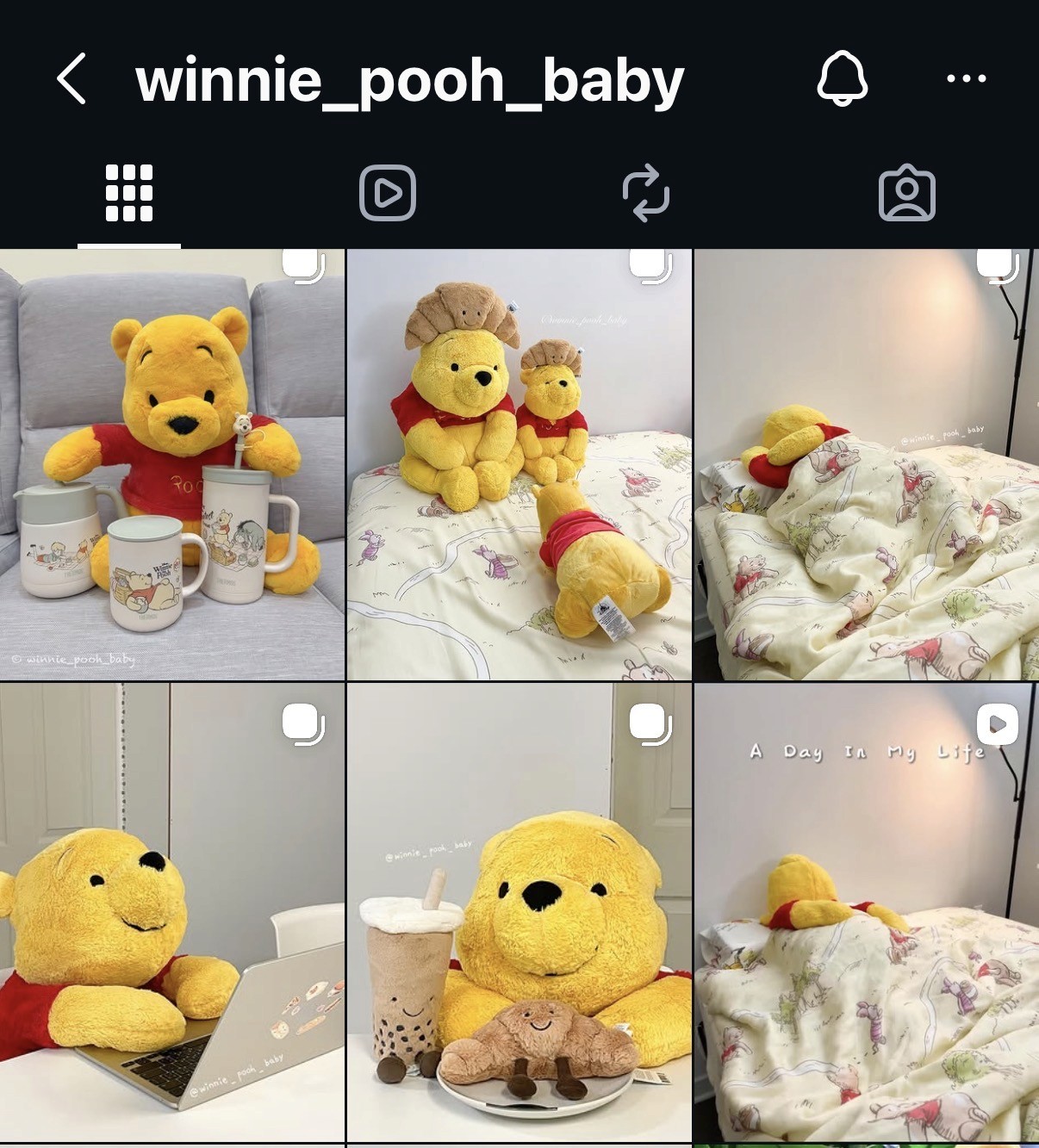
Some plush toy accounts on Instagram

Some plush toy accounts on Instagram

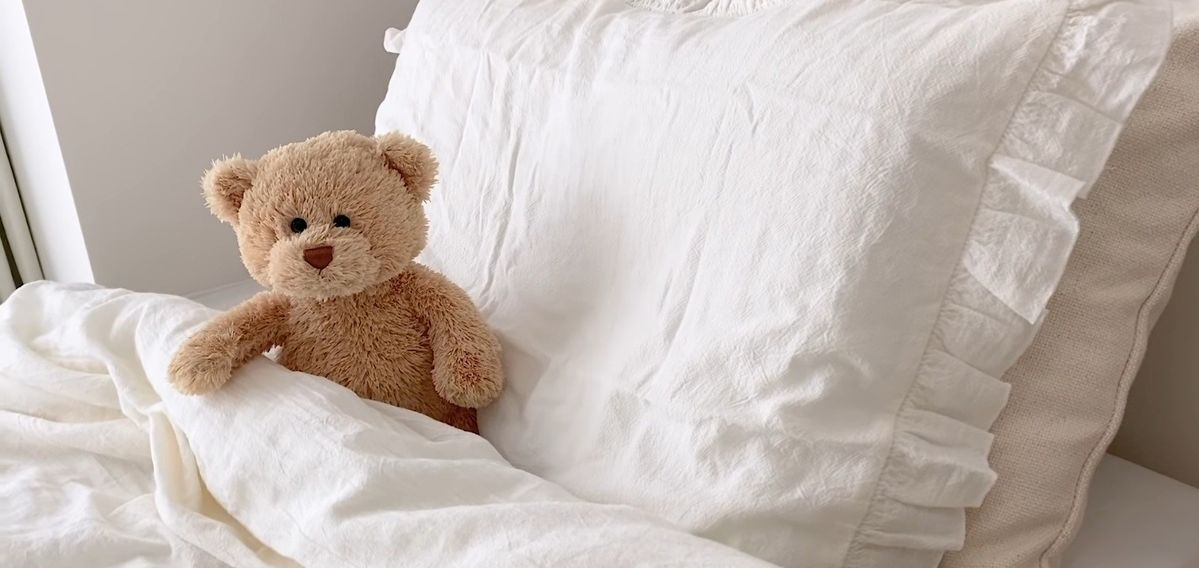
These observations made me curious about the emotional role plush toys play in adult life, and why people become so emotionally attached to them.
Research Question

Why do adults feel emotionally connected to plush toys?

Secondary Research
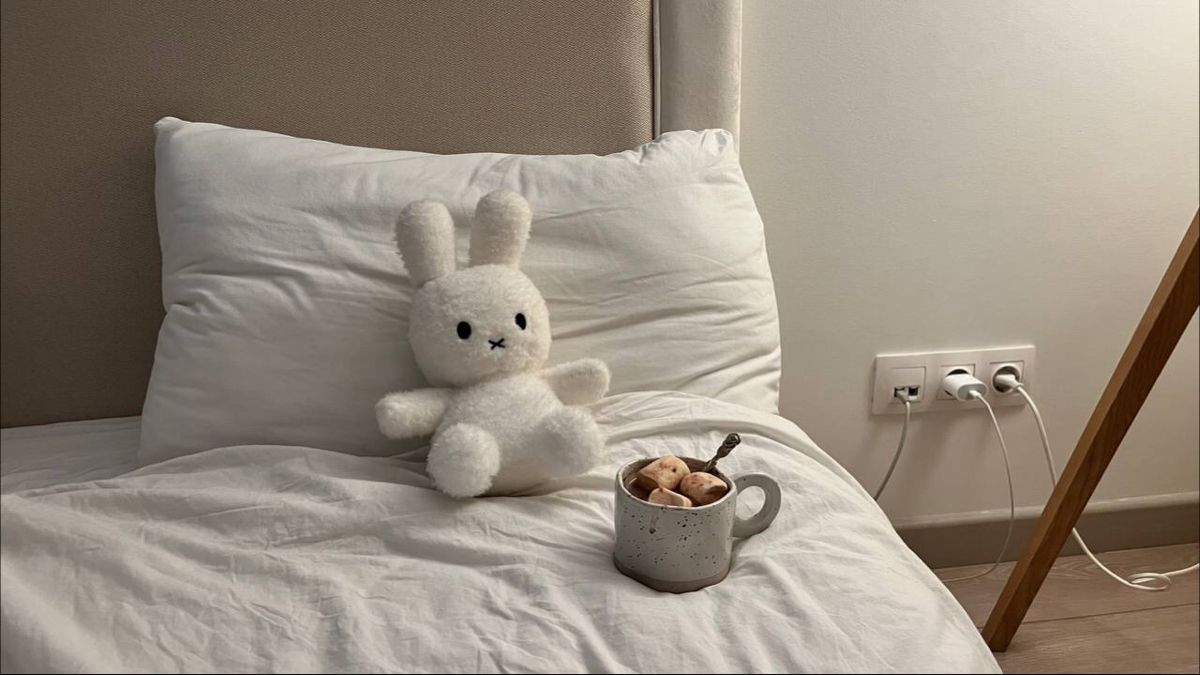
Plush Toys Provide Real Emotional Comfort

Research by Ohkura et al. found that simply seeing or touching a cute plush toy can reduce stress and promote relaxation. Their study described this effect as "healing kawaii" — the idea that soft and cute objects can actively support emotional regulation.

Blanc et al. further found that visual softness and cuteness can reduce feelings of social exclusion and trigger emotional warmth and nurturing feelings.

Together, these studies suggest that plush toys are more than decorative objects. Their softness, rounded shapes, and expressive faces can create genuine feelings of calm, comfort, and emotional safety.

Emotional Attachment Makes Plush Toys Irreplaceable

Research by Ohkura et al. found that simply seeing or touching a cute plush toy can reduce stress and promote relaxation. Their study described this effect as "healing kawaii" — the idea that soft and cute objects can actively support emotional regulation.

Blanc et al. further found that visual softness and cuteness can reduce feelings of social exclusion and trigger emotional warmth and nurturing feelings.

Together, these studies suggest that plush toys are more than decorative objects. Their softness, rounded shapes, and expressive faces can create genuine feelings of calm, comfort, and emotional safety.

Adults Turn Plush Toys into Companions

Research by Ohkura et al. found that simply seeing or touching a cute plush toy can reduce stress and promote relaxation. Their study described this effect as "healing kawaii" — the idea that soft and cute objects can actively support emotional regulation.

Blanc et al. further found that visual softness and cuteness can reduce feelings of social exclusion and trigger emotional warmth and nurturing feelings.

Together, these studies suggest that plush toys are more than decorative objects. Their softness, rounded shapes, and expressive faces can create genuine feelings of calm, comfort, and emotional safety.

Plush Toys Can Support Emotional Healing

Research by Ohkura et al. found that simply seeing or touching a cute plush toy can reduce stress and promote relaxation. Their study described this effect as "healing kawaii" — the idea that soft and cute objects can actively support emotional regulation.

Blanc et al. further found that visual softness and cuteness can reduce feelings of social exclusion and trigger emotional warmth and nurturing feelings.

Together, these studies suggest that plush toys are more than decorative objects. Their softness, rounded shapes, and expressive faces can create genuine feelings of calm, comfort, and emotional safety.

Plush Toys Provide Real Emotional Comfort

Research by Ohkura et al. found that simply seeing or touching a cute plush toy can reduce stress and promote relaxation. Their study described this effect as "healing kawaii" — the idea that soft and cute objects can actively support emotional regulation.

Blanc et al. further found that visual softness and cuteness can reduce feelings of social exclusion and trigger emotional warmth and nurturing feelings.

Together, these studies suggest that plush toys are more than decorative objects. Their softness, rounded shapes, and expressive faces can create genuine feelings of calm, comfort, and emotional safety.

Emotional Attachment Makes Plush Toys Irreplaceable

Research by Ohkura et al. found that simply seeing or touching a cute plush toy can reduce stress and promote relaxation. Their study described this effect as "healing kawaii" — the idea that soft and cute objects can actively support emotional regulation.

Blanc et al. further found that visual softness and cuteness can reduce feelings of social exclusion and trigger emotional warmth and nurturing feelings.

Together, these studies suggest that plush toys are more than decorative objects. Their softness, rounded shapes, and expressive faces can create genuine feelings of calm, comfort, and emotional safety.

Adults Turn Plush Toys into Companions

Research by Ohkura et al. found that simply seeing or touching a cute plush toy can reduce stress and promote relaxation. Their study described this effect as "healing kawaii" — the idea that soft and cute objects can actively support emotional regulation.

Blanc et al. further found that visual softness and cuteness can reduce feelings of social exclusion and trigger emotional warmth and nurturing feelings.

Together, these studies suggest that plush toys are more than decorative objects. Their softness, rounded shapes, and expressive faces can create genuine feelings of calm, comfort, and emotional safety.

Plush Toys Can Support Emotional Healing

Research by Ohkura et al. found that simply seeing or touching a cute plush toy can reduce stress and promote relaxation. Their study described this effect as "healing kawaii" — the idea that soft and cute objects can actively support emotional regulation.

Blanc et al. further found that visual softness and cuteness can reduce feelings of social exclusion and trigger emotional warmth and nurturing feelings.

Together, these studies suggest that plush toys are more than decorative objects. Their softness, rounded shapes, and expressive faces can create genuine feelings of calm, comfort, and emotional safety.

Plush Toys Provide Real Emotional Comfort

Research by Ohkura et al. found that simply seeing or touching a cute plush toy can reduce stress and promote relaxation. Their study described this effect as "healing kawaii" — the idea that soft and cute objects can actively support emotional regulation.

Blanc et al. further found that visual softness and cuteness can reduce feelings of social exclusion and trigger emotional warmth and nurturing feelings.

Together, these studies suggest that plush toys are more than decorative objects. Their softness, rounded shapes, and expressive faces can create genuine feelings of calm, comfort, and emotional safety.

Emotional Attachment Makes Plush Toys Irreplaceable

Research by Ohkura et al. found that simply seeing or touching a cute plush toy can reduce stress and promote relaxation. Their study described this effect as "healing kawaii" — the idea that soft and cute objects can actively support emotional regulation.

Blanc et al. further found that visual softness and cuteness can reduce feelings of social exclusion and trigger emotional warmth and nurturing feelings.

Together, these studies suggest that plush toys are more than decorative objects. Their softness, rounded shapes, and expressive faces can create genuine feelings of calm, comfort, and emotional safety.

Adults Turn Plush Toys into Companions

Research by Ohkura et al. found that simply seeing or touching a cute plush toy can reduce stress and promote relaxation. Their study described this effect as "healing kawaii" — the idea that soft and cute objects can actively support emotional regulation.

Blanc et al. further found that visual softness and cuteness can reduce feelings of social exclusion and trigger emotional warmth and nurturing feelings.

Together, these studies suggest that plush toys are more than decorative objects. Their softness, rounded shapes, and expressive faces can create genuine feelings of calm, comfort, and emotional safety.

Plush Toys Can Support Emotional Healing

Research by Ohkura et al. found that simply seeing or touching a cute plush toy can reduce stress and promote relaxation. Their study described this effect as "healing kawaii" — the idea that soft and cute objects can actively support emotional regulation.

Blanc et al. further found that visual softness and cuteness can reduce feelings of social exclusion and trigger emotional warmth and nurturing feelings.

Together, these studies suggest that plush toys are more than decorative objects. Their softness, rounded shapes, and expressive faces can create genuine feelings of calm, comfort, and emotional safety.

While secondary research helped me understand existing theories around plush toys and emotional attachment, I wanted to understand how adults actually experience these relationships in everyday life.


To better understand this, I conducted primary research with adult plush toy owners.

While secondary research helped me understand existing theories around plush toys and emotional attachment, I wanted to understand how adults actually experience these relationships in everyday life.


To better understand this, I conducted primary research with adult plush toy owners.

Primary Research

Semi-Structured Interviews

Conducted 30–40 minute interviews with 4 adult plush toy owners (ages 33–35) to better understand emotional attachment, companionship, stress relief, anthropomorphism, and experiences of social judgment. Participants described naming their plush toys, assigning them personalities, and treating them as emotional companions in everyday life.

Online Survey

Conducted 30–40 minute interviews with 4 adult plush toy owners (ages 33–35) to better understand emotional attachment, companionship, stress relief, anthropomorphism, and experiences of social judgment. Participants described naming their plush toys, assigning them personalities, and treating them as emotional companions in everyday life.

Auto-Ethnography

Conducted 30–40 minute interviews with 4 adult plush toy owners (ages 33–35) to better understand emotional attachment, companionship, stress relief, anthropomorphism, and experiences of social judgment. Participants described naming their plush toys, assigning them personalities, and treating them as emotional companions in everyday life.

Social Media Observation

Conducted 30–40 minute interviews with 4 adult plush toy owners (ages 33–35) to better understand emotional attachment, companionship, stress relief, anthropomorphism, and experiences of social judgment. Participants described naming their plush toys, assigning them personalities, and treating them as emotional companions in everyday life.

Semi-Structured Interviews

Conducted 30–40 minute interviews with 4 adult plush toy owners (ages 33–35) to better understand emotional attachment, companionship, stress relief, anthropomorphism, and experiences of social judgment. Participants described naming their plush toys, assigning them personalities, and treating them as emotional companions in everyday life.

Online Survey

Conducted 30–40 minute interviews with 4 adult plush toy owners (ages 33–35) to better understand emotional attachment, companionship, stress relief, anthropomorphism, and experiences of social judgment. Participants described naming their plush toys, assigning them personalities, and treating them as emotional companions in everyday life.

Auto-Ethnography

Conducted 30–40 minute interviews with 4 adult plush toy owners (ages 33–35) to better understand emotional attachment, companionship, stress relief, anthropomorphism, and experiences of social judgment. Participants described naming their plush toys, assigning them personalities, and treating them as emotional companions in everyday life.

Social Media Observation

Conducted 30–40 minute interviews with 4 adult plush toy owners (ages 33–35) to better understand emotional attachment, companionship, stress relief, anthropomorphism, and experiences of social judgment. Participants described naming their plush toys, assigning them personalities, and treating them as emotional companions in everyday life.

Primary Research

Semi-Structured Interviews

Conducted 30–40 minute interviews with 4 adult plush toy owners (ages 33–35) to better understand emotional attachment, companionship, stress relief, anthropomorphism, and experiences of social judgment. Participants described naming their plush toys, assigning them personalities, and treating them as emotional companions in everyday life.

Online Survey

Conducted 30–40 minute interviews with 4 adult plush toy owners (ages 33–35) to better understand emotional attachment, companionship, stress relief, anthropomorphism, and experiences of social judgment. Participants described naming their plush toys, assigning them personalities, and treating them as emotional companions in everyday life.

Auto-Ethnography

Conducted 30–40 minute interviews with 4 adult plush toy owners (ages 33–35) to better understand emotional attachment, companionship, stress relief, anthropomorphism, and experiences of social judgment. Participants described naming their plush toys, assigning them personalities, and treating them as emotional companions in everyday life.

Social Media Observation

Conducted 30–40 minute interviews with 4 adult plush toy owners (ages 33–35) to better understand emotional attachment, companionship, stress relief, anthropomorphism, and experiences of social judgment. Participants described naming their plush toys, assigning them personalities, and treating them as emotional companions in everyday life.

Key Findings

86
86

seek comfort from plush toys

when they feel stressed or sad

65
65

think about their plush toys when they can’t bring them along

76
76

are interested in a digital companion app

for their plush toys

Social Visibility & Stigma

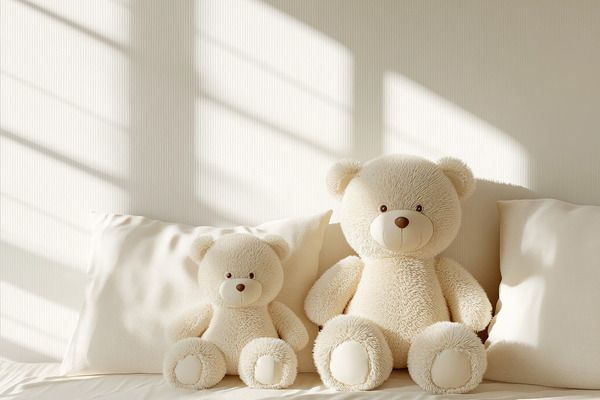
Many participants felt emotionally attached to their plush toys, but hesitated to express these relationships publicly

“I only interact with them outside when friends are also into plush toys.”

“I would feel judged if I brought big plush toys to work.”
Problem Statement

After conducting both secondary and primary research, the following problem statement emerged.

Adults find emotional comfort in plush toys, but cannot consistently access that companionship throughout daily life.

How might we…

  • How might we preserve emotional comfort beyond physical proximity?

  • How might we preserve emotional comfort beyond physical proximity?

  • How might we extend plush companionship into everyday screen time?

  • How might we extend plush companionship into everyday screen time?

  • How might we create a lightweight digital companion without replacing the physical plush toy?

  • How might we create a lightweight digital companion without replacing the physical plush toy?

Problem Statement

After conducting both secondary and primary research, the following problem statement emerged.

Adults find emotional comfort in plush toys, but cannot consistently access that companionship throughout daily life.

How might we…

  • How might we preserve emotional comfort beyond physical proximity?

  • How might we extend plush companionship into everyday screen time?

  • How might we create a lightweight digital companion without replacing the physical plush toy?

Design Principle

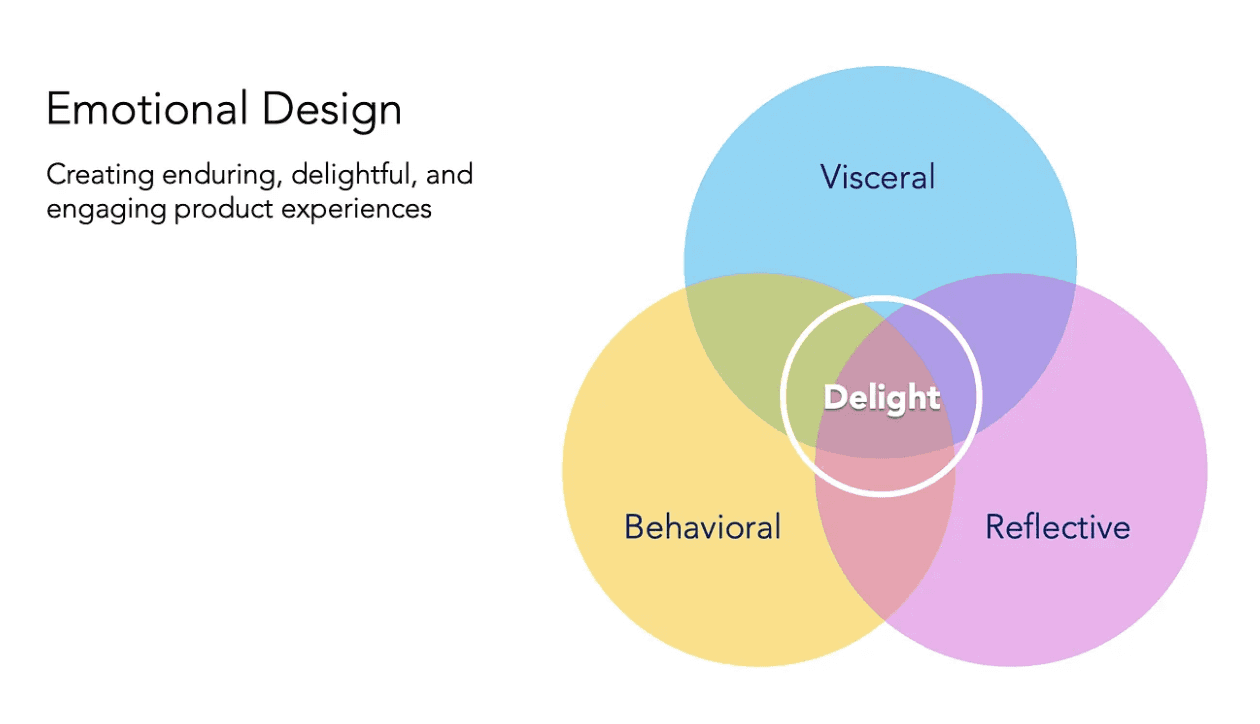
Emotional Design

Visceral

Retaining the appearance of the user’s plush toy creates familiarity and comfort

Behavioral

Simple interactions make the experience playful and effortless

Reflective

Because the companion is generated from the user’s real plush toy, it feels personal and emotionally meaningful
Design Directions

To explore possible solutions, I developed multiple design directions based on the research findings and emotional design principles.

Direction 01

Interactive AI Companion

Transform the user’s plush toy into an interactive digital character that can respond and communicate

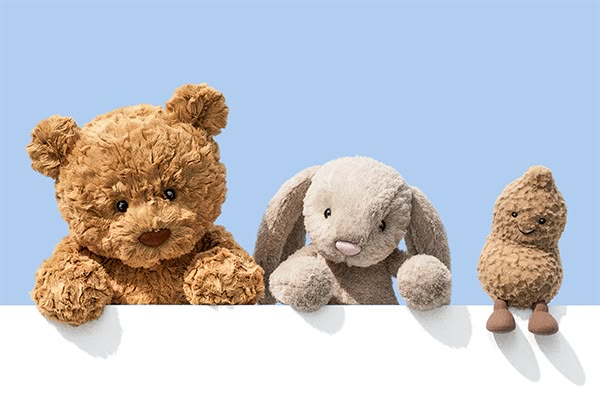
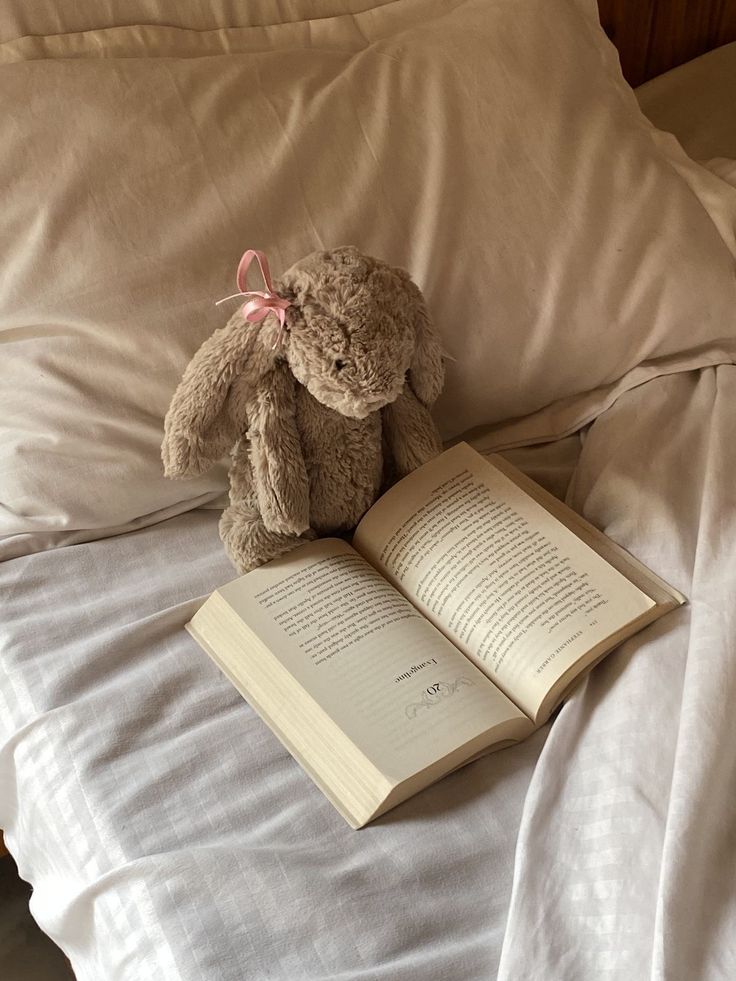
Source: @jellycat on Instagram

Direction 02

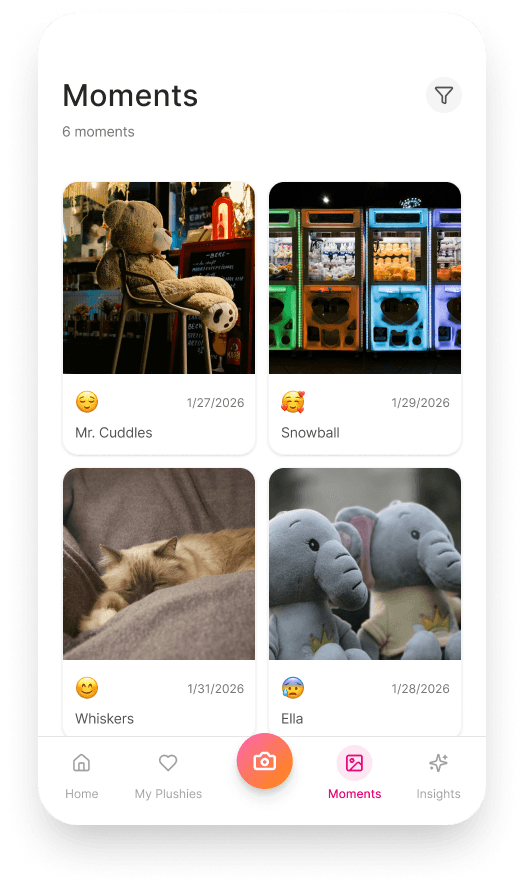
Emotional Memory App

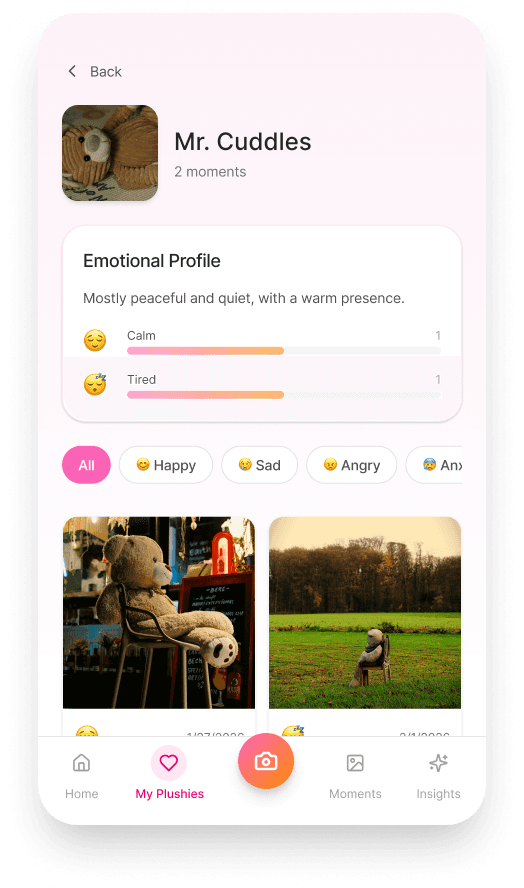
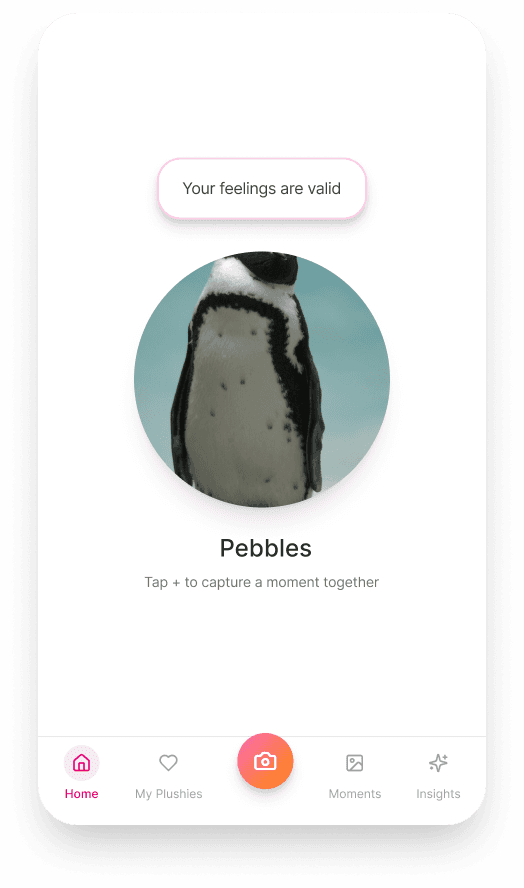
A journaling experience to capture moments and memories with plush toys

Concept exploration for my proposed design direction, created with Figma Make

Pros

  • Real-time interaction and companionship

  • Preserves the plush toy’s personality

Cons

  • Technically complex

Pros

  • Encourages reflection and memory keeping

  • Supports personalization

Cons

  • Lacks everyday companionship

Through these explorations, I realized the final experience should preserve emotional companionship while remaining lightweight, calming, and emotionally effortless.

Design Directions

To explore possible solutions, I developed multiple design directions based on the research findings and emotional design principles.

Direction 01

Interactive AI Companion

Transform the user’s plush toy into an interactive digital character that can respond and communicate

Source: @jellycat on Instagram

Direction 02

Emotional Memory App

A journaling experience to capture moments and memories with plush toys

Concept exploration for my proposed design direction, created with Figma Make

Pros

  • Real-time interaction and companionship

  • Preserves the plush toy’s personality

Cons

  • Technically complex

Pros

  • Encourages reflection and memory keeping

  • Supports personalization

Cons

  • Lacks everyday companionship

Through these explorations, I realized the final experience should preserve emotional companionship while remaining lightweight, calming, and emotionally effortless.

Design Iterations

Through multiple rounds of iteration and feedback, the design evolved from a game-like virtual pet experience into a lightweight digital companion focused on emotional comfort and everyday presence.

Iteration 01

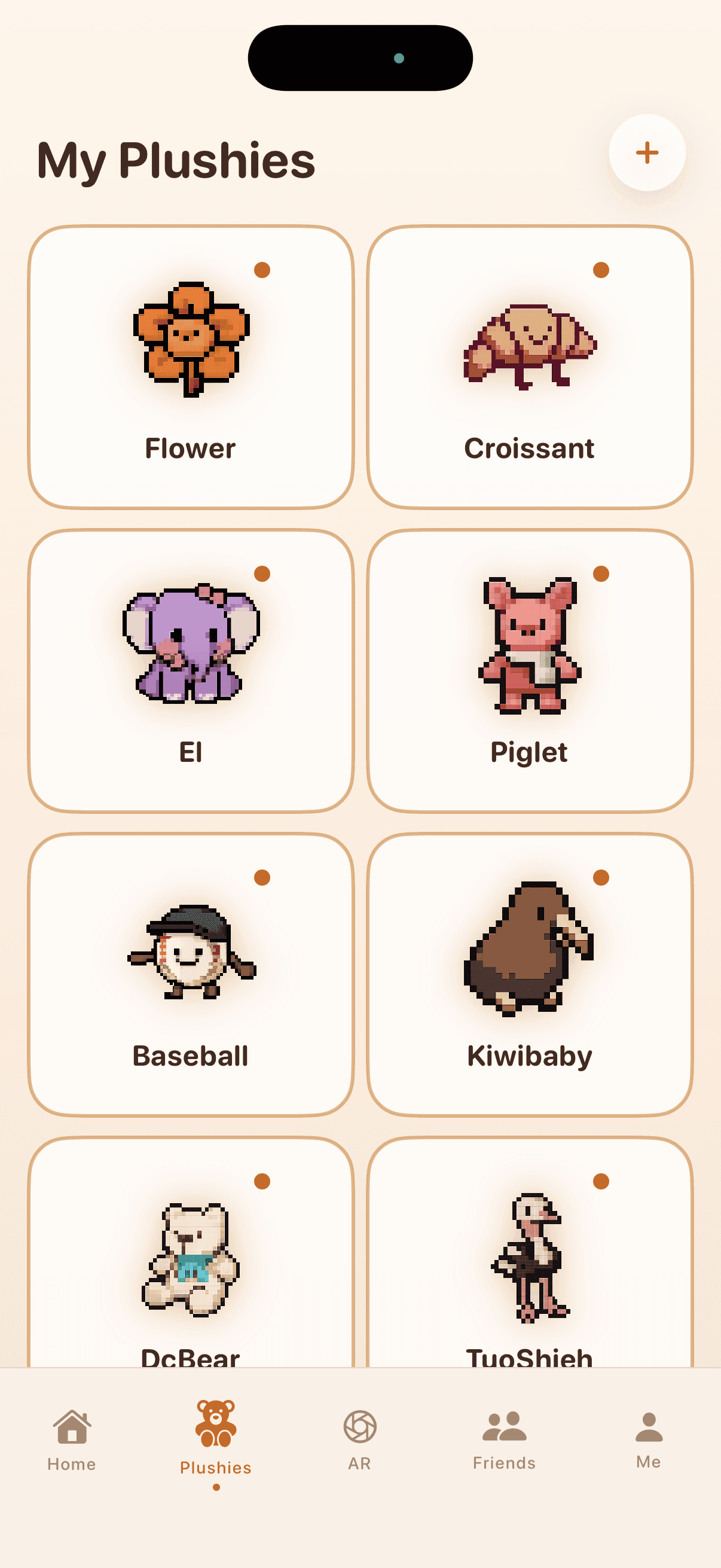
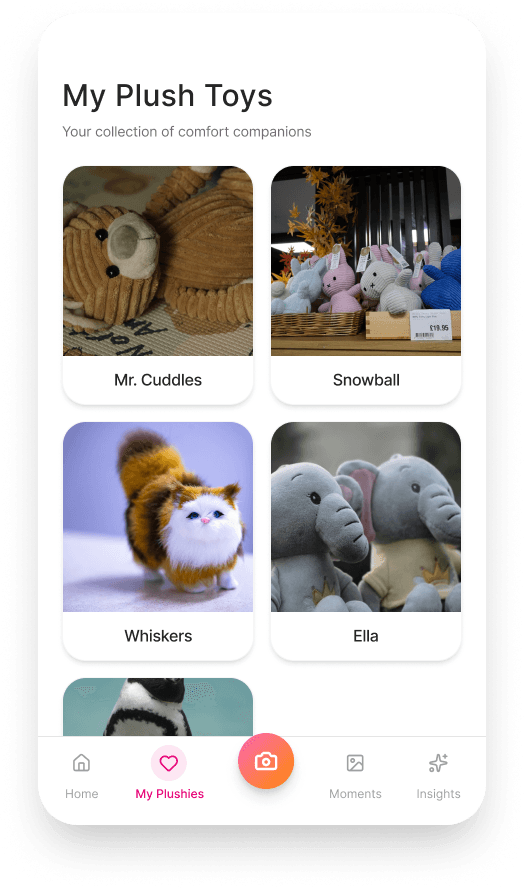
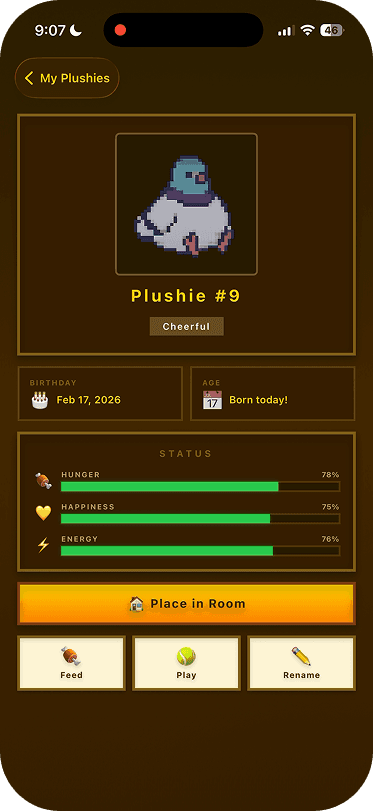
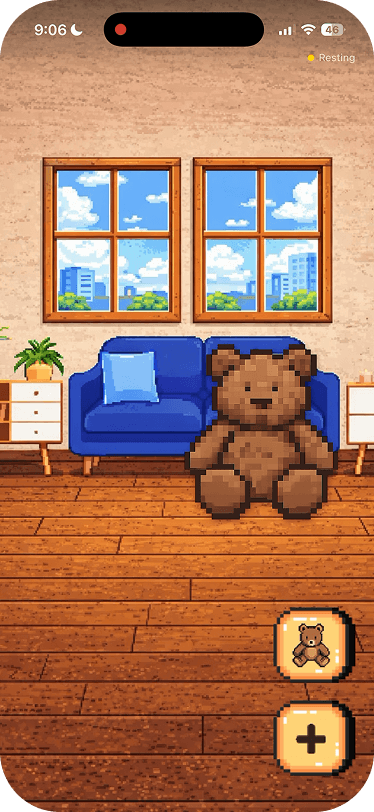
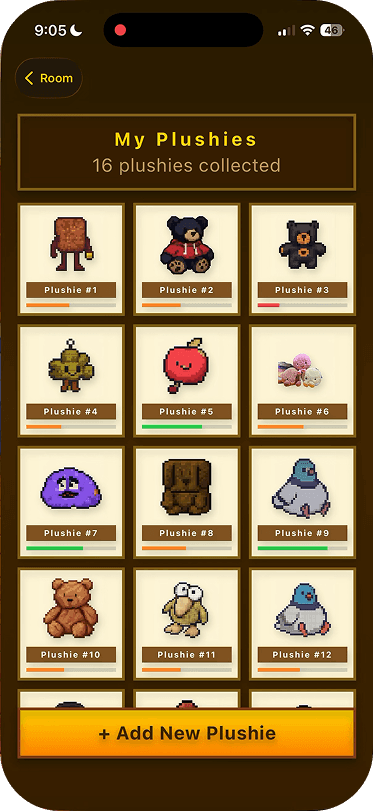
This version explored turning users’ real plush toys into digital companions. Users could upload photos of their plush toys, view their plush collection, and track each companion’s status and personality. One plush companion could also be placed on the home screen, where it moved around freely and displayed different moods when tapped.
User Feedbacks

  • Felt more like a virtual pet than an emotional companion

  • Visual design felt visually heavy and emotionally distant

Iteration 02

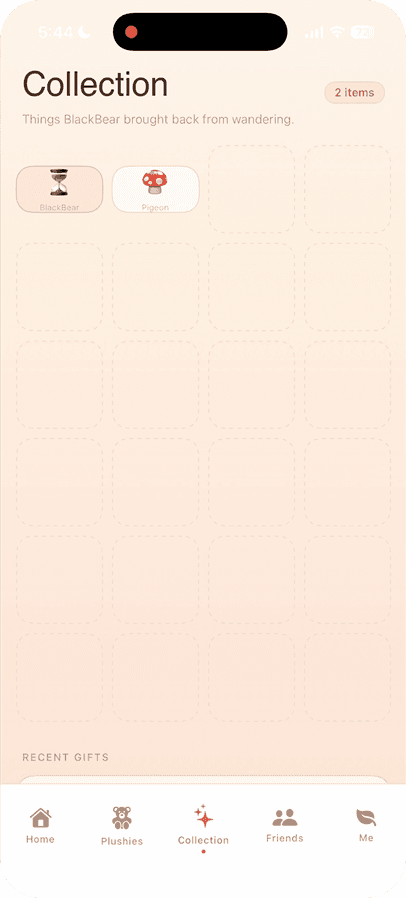
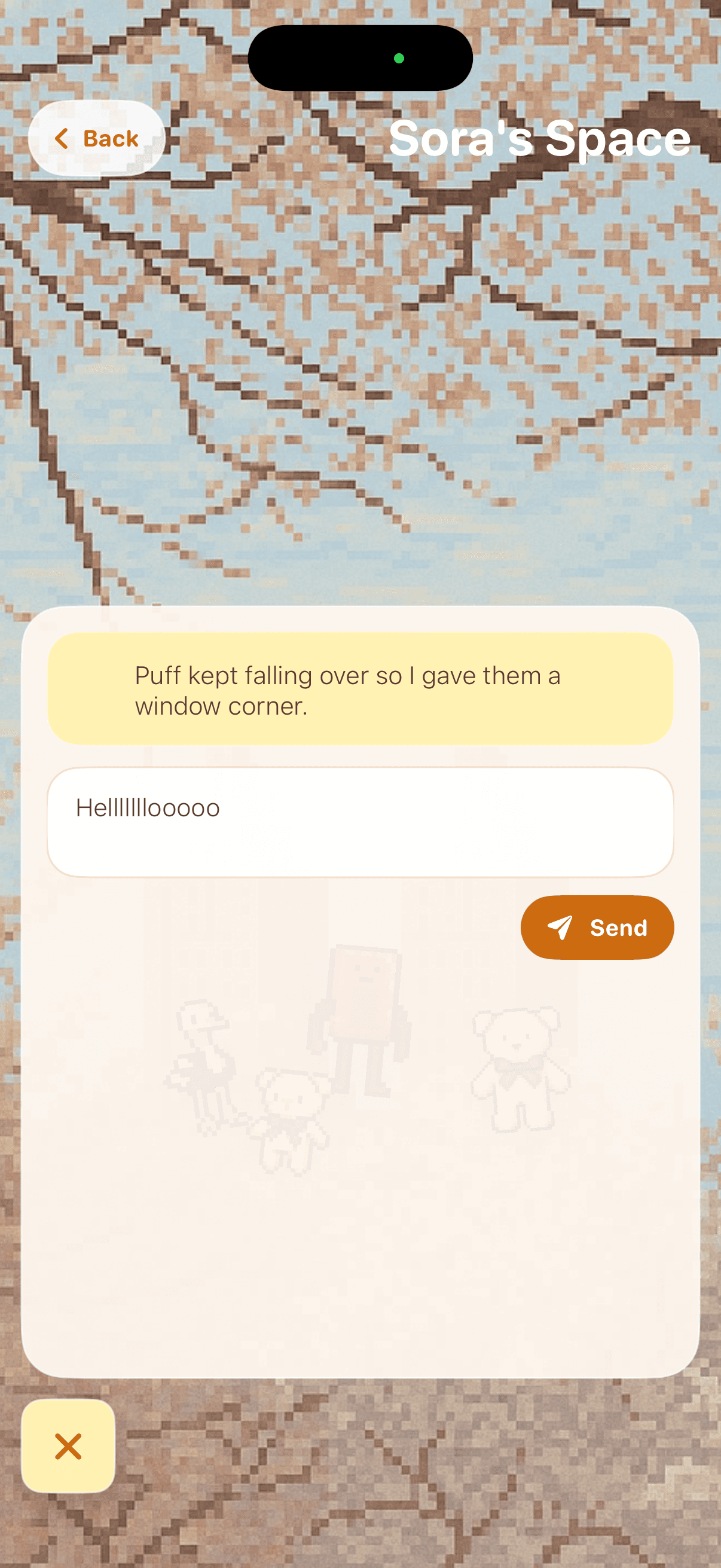
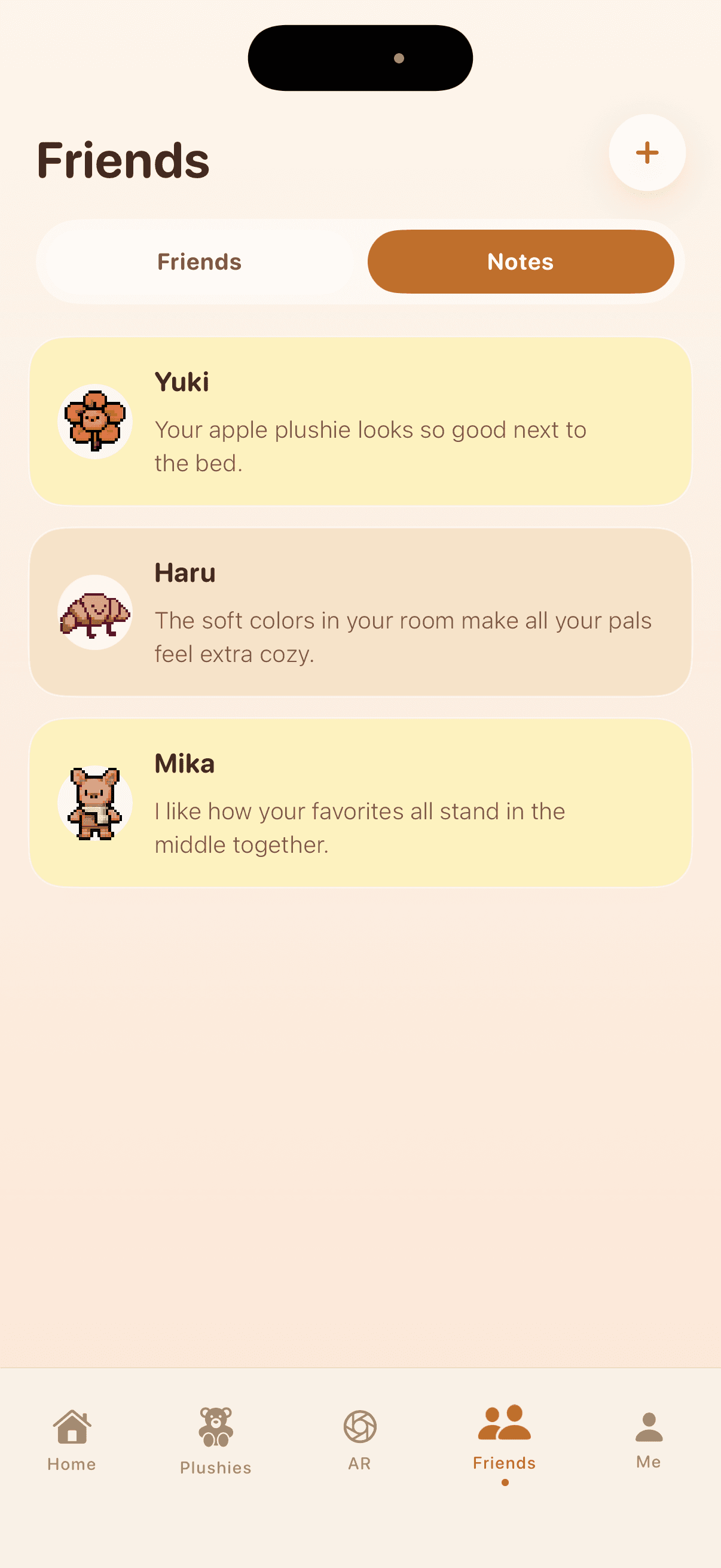
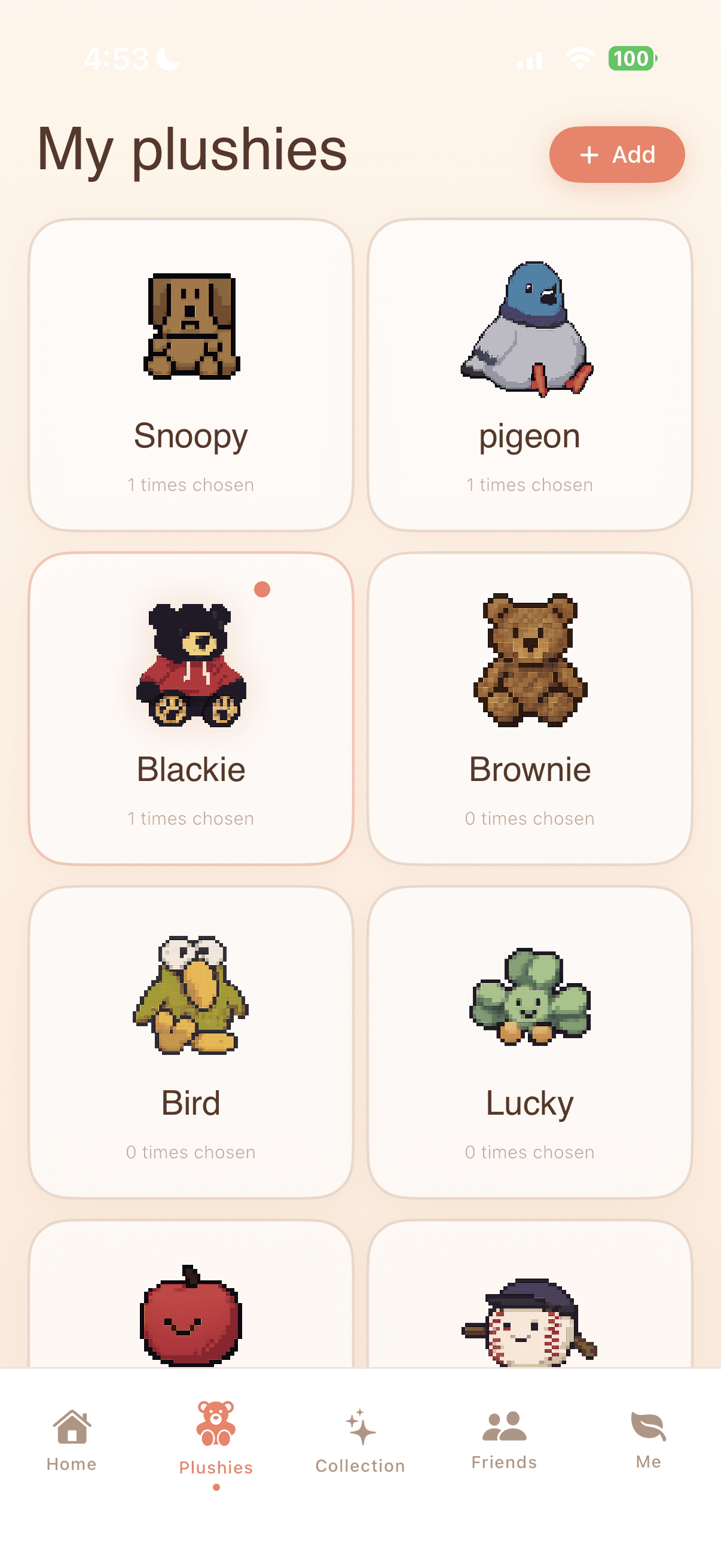
This iteration introduced a softer and more emotionally calming visual style, along with more supportive and social interactions. Plush companions could say short encouraging messages when tapped, occasionally send small gifts that were stored in a collection feature, and visit friends’ companions through a social interaction system. Users could also change the background environment using AI-generated scenes, creating the feeling that their plush companions were traveling through different places.
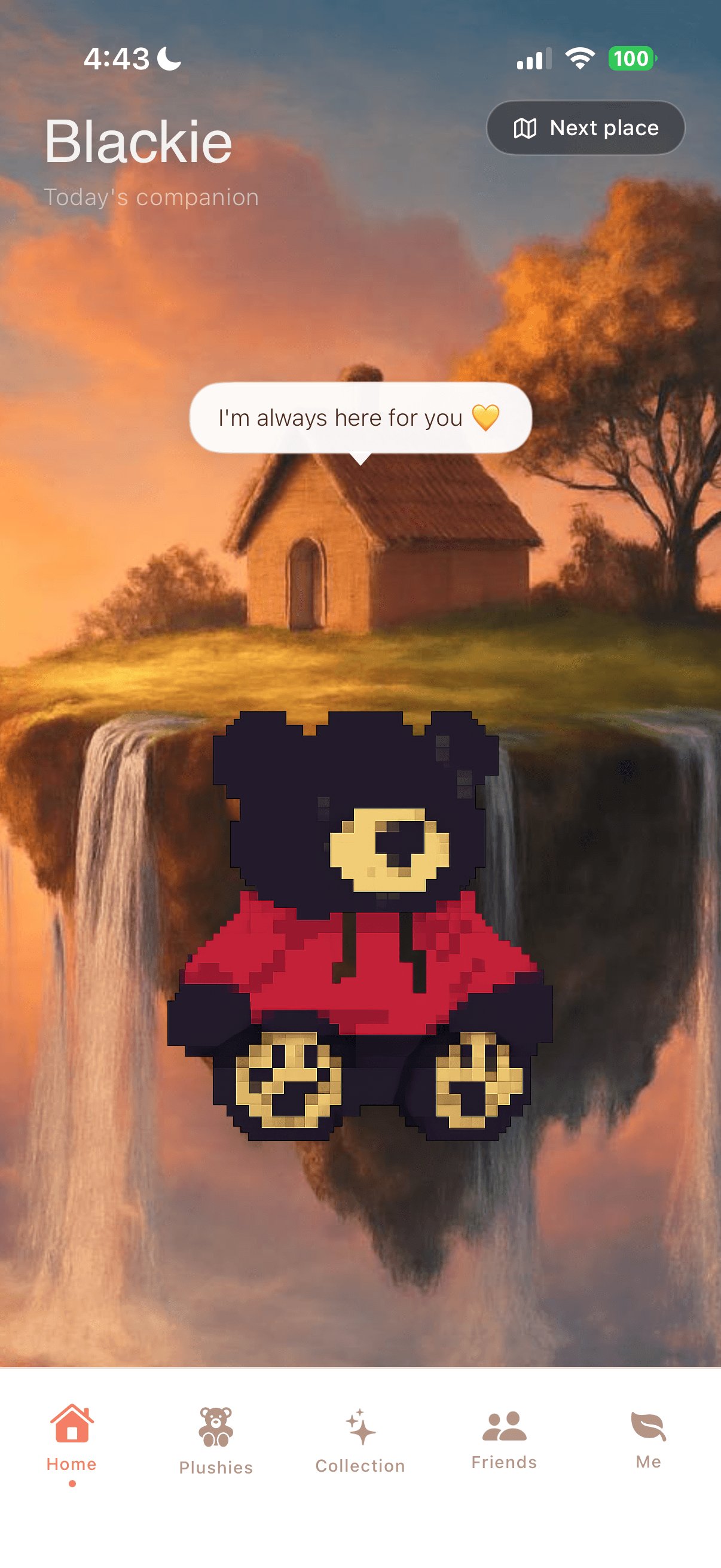
User Feedbacks

  • Want more direct interaction with the plush toy

  • The "Collection" feature felt unclear in purpose

  • AI-generated environments felt disconnected from users’ real lives

  • Mixed visual styles reduced emotional consistency (pixel vs. oil painting)

Final Design

Pocket Buddy

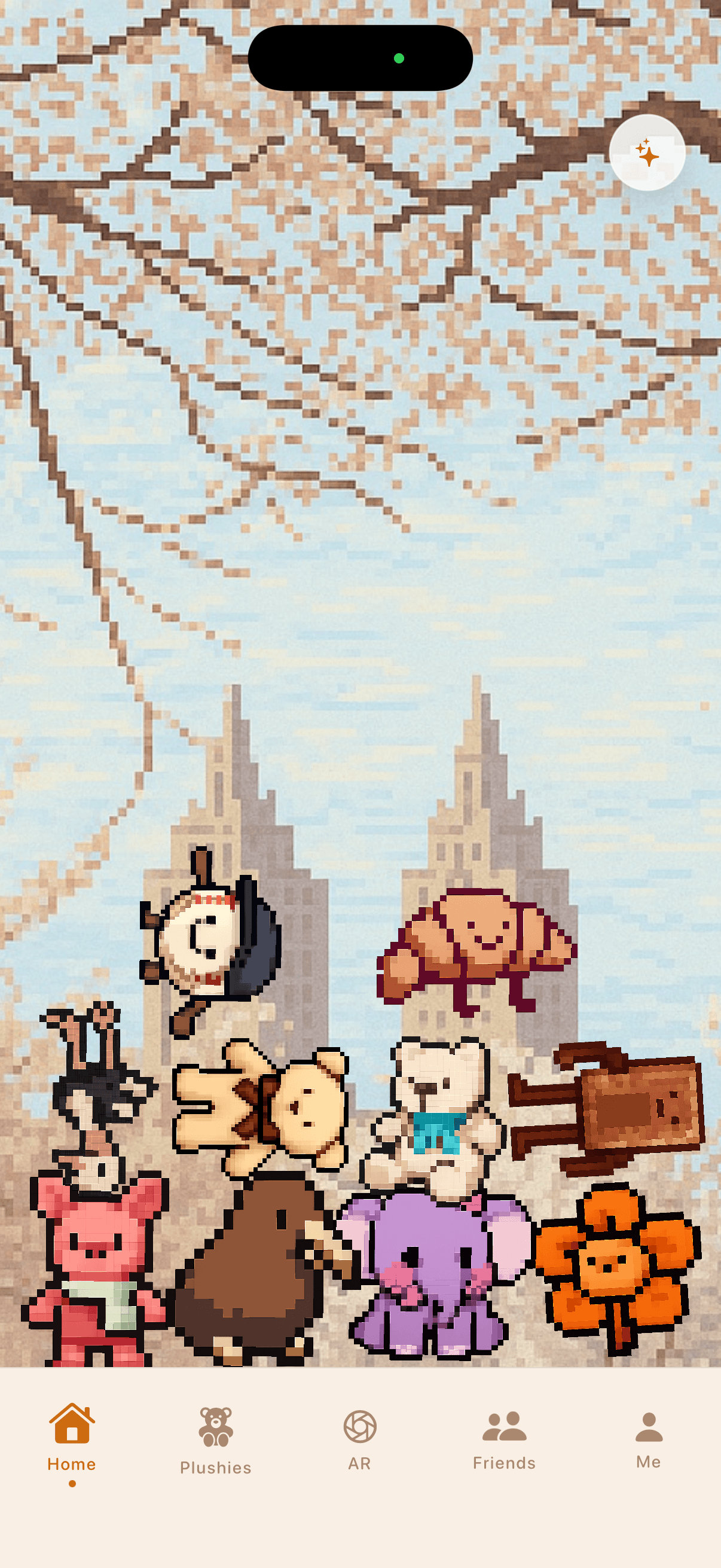
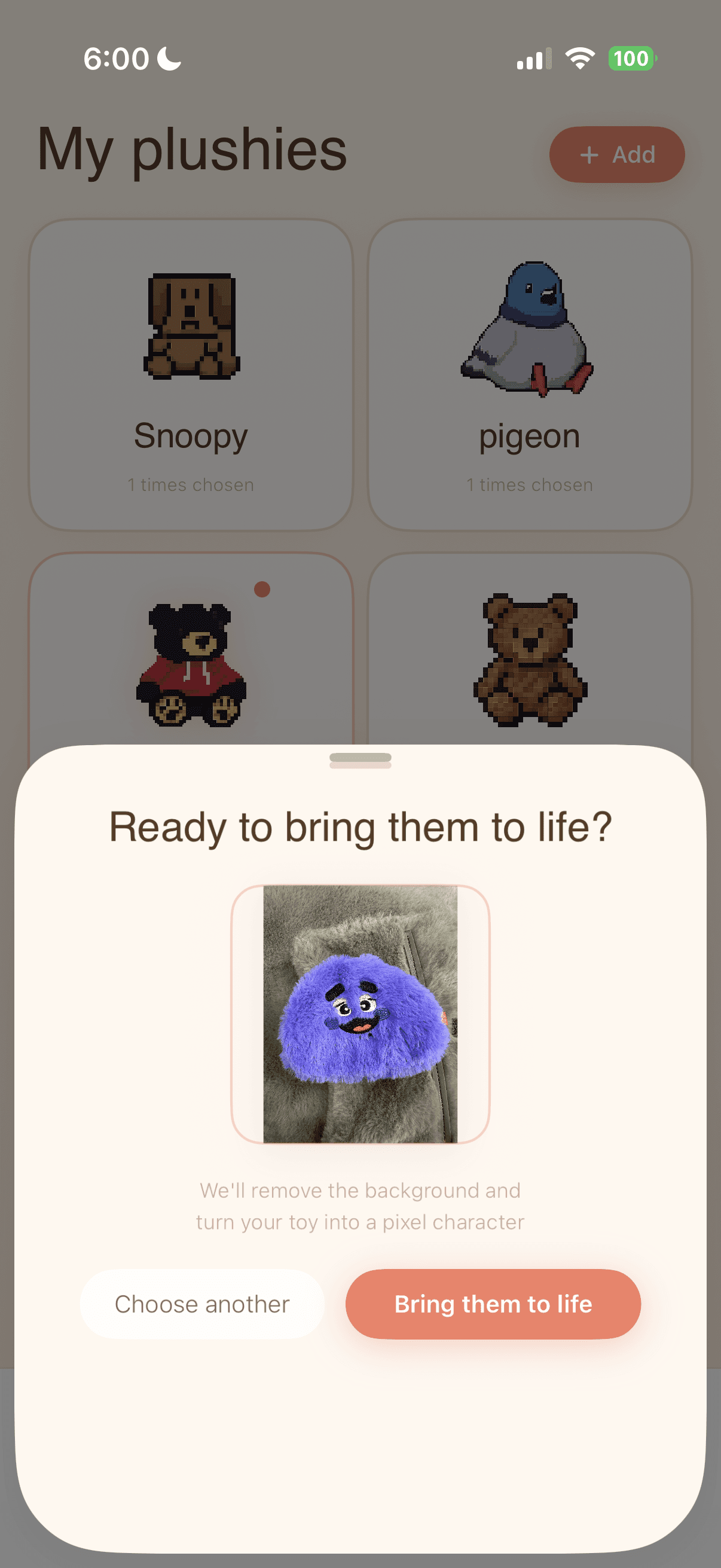
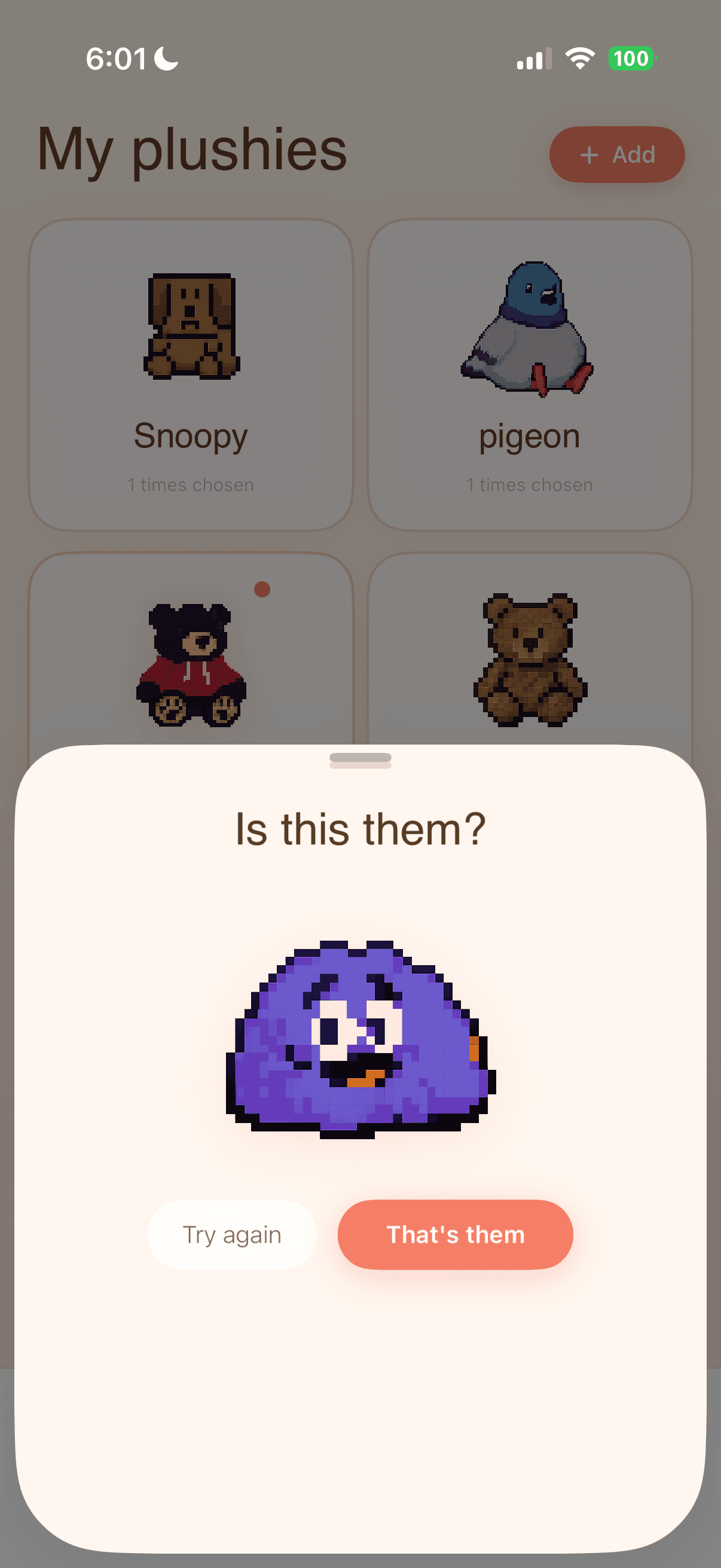
A lightweight digital companion that transforms users’ plush toys into interactive pixel companions that stay emotionally present throughout daily life.

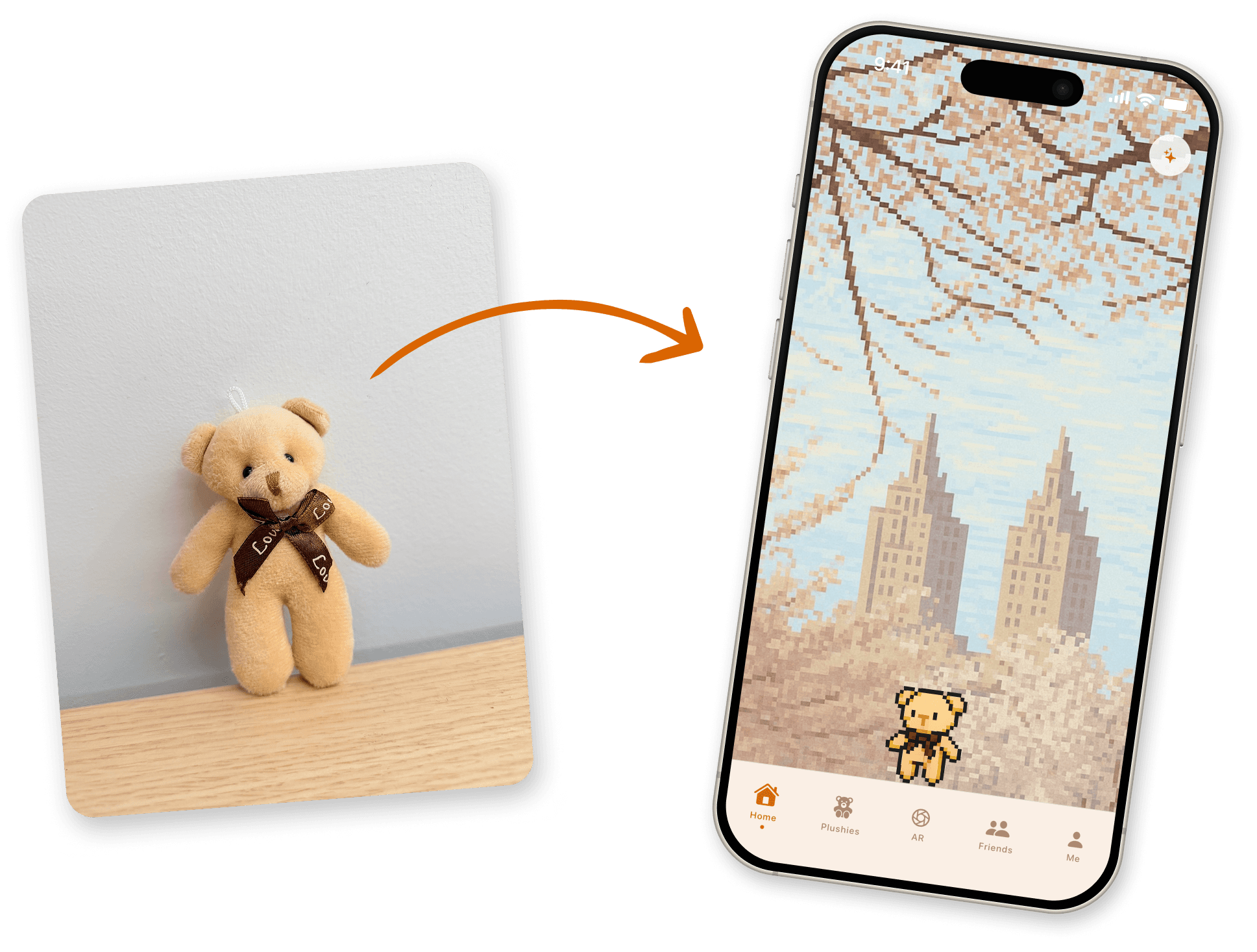
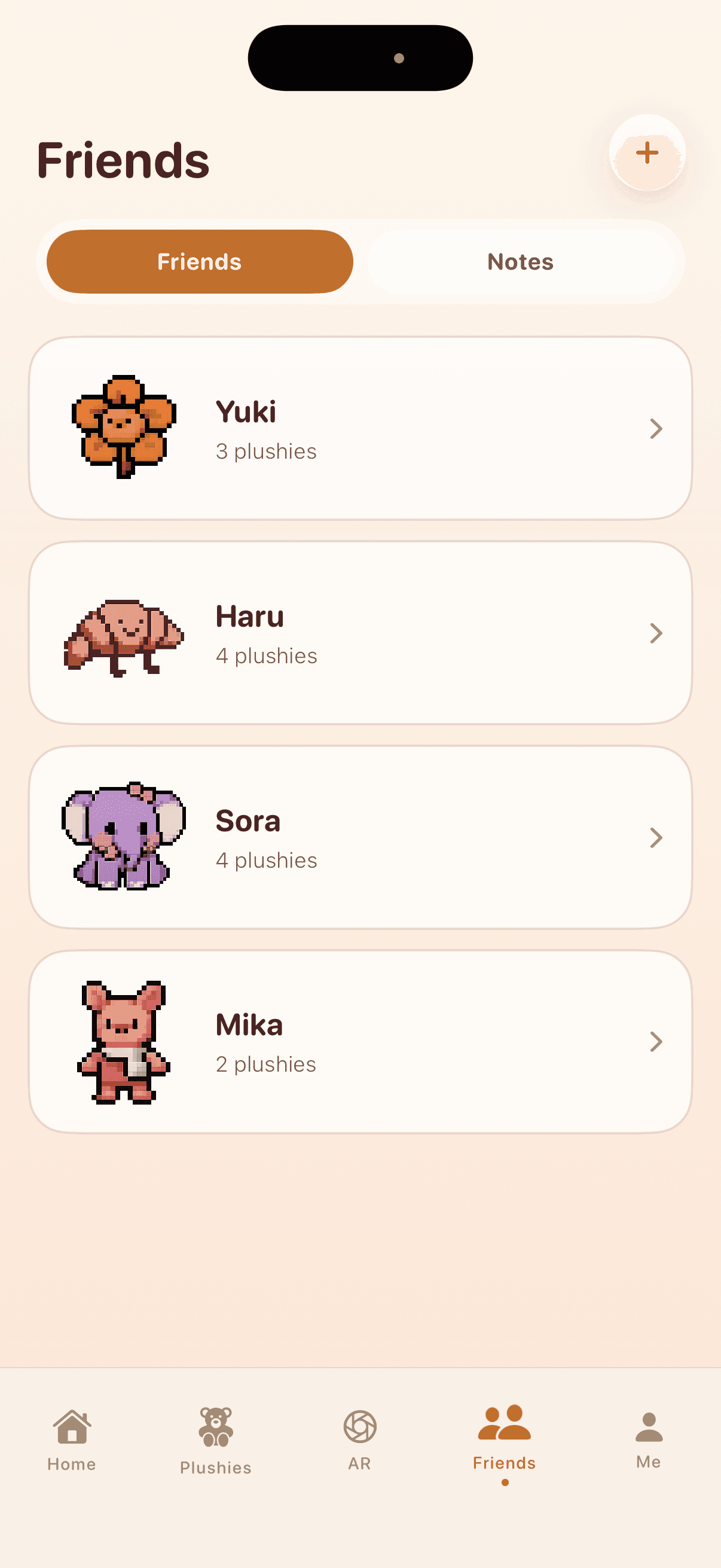
Turn your plush into a pixel companion

Generate a character from your own plush photo

Turn your world into pixel

Transform real-life photos into the companion’s environment

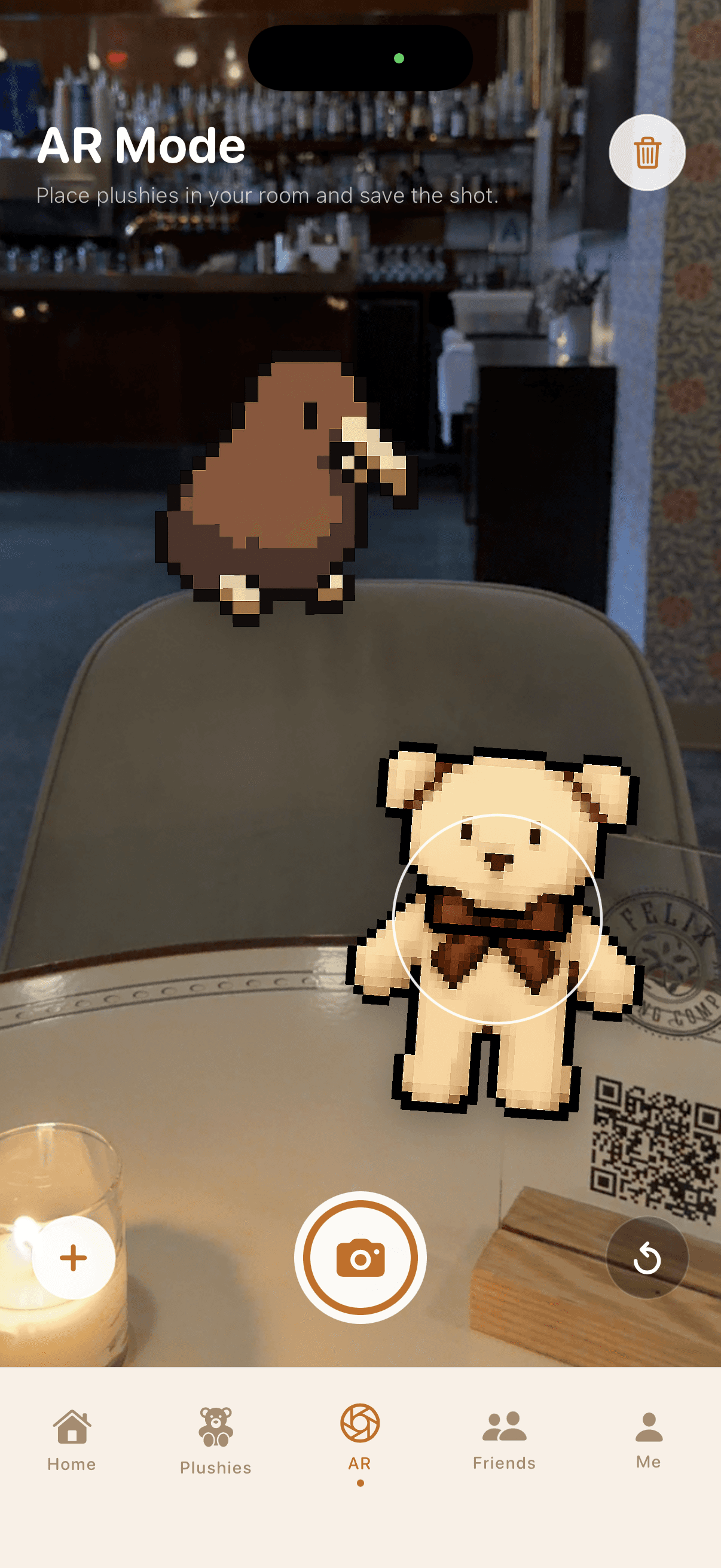
Bring your companion into real life

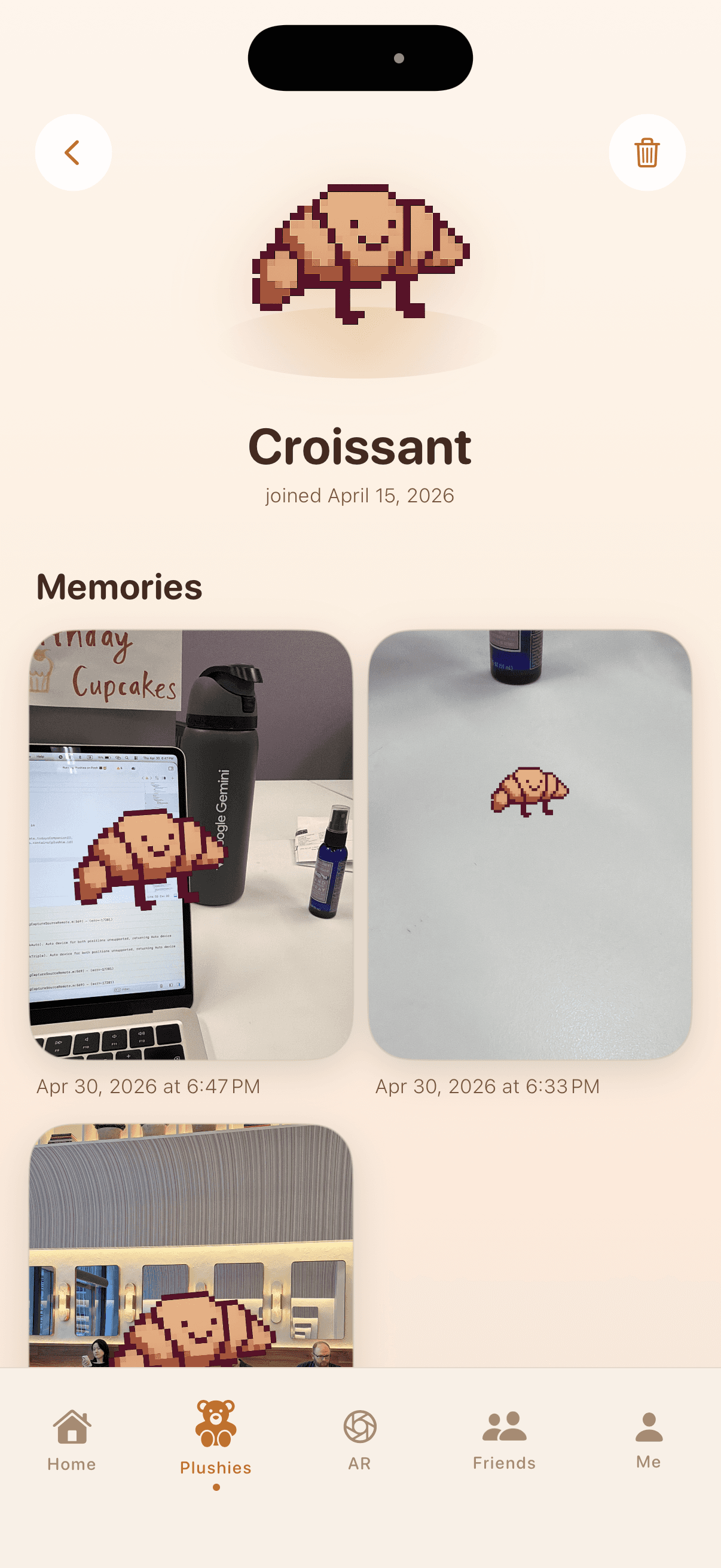
Use AR to capture moments with your companion

Play with your plush

Add your plush to your home screen and play with them

Visit your friends’ companions

Explore your friends' spaces and leave messages

Design Refinements

More Interaction

Users can drag companions around the home screen, and the companions respond to device movement by falling as the phone tilts

Replace Collection with AR Moments

Replaced passive collection mechanics with AR interactions that allow users to capture moments with their companion

More Personal Environments

Users can transform their own photos into pixel-style companion spaces

More Cohesive Visual Language

Unified the experience into a consistent pixel-art style
Key Takeaway

Designing for emotional connection requires more than functionality

Users were not looking for productivity or efficiency. Small interactions, familiarity, and personal attachment were what made the experience meaningful.

Iteration helped clarify what emotional companionship actually means

Early concepts explored gamification and AI-generated experiences, but user feedback revealed that lightweight presence and personal connection mattered more than complex systems.

Emotional design must stay grounded in real life

The final direction shifted toward users’ own plush toys, photos, and memories, making the experience feel more personal, comforting, and authentic.

Key Takeaway

Designing for emotional connection requires more than functionality

Users were not looking for productivity or efficiency. Small interactions, familiarity, and personal attachment were what made the experience meaningful.

Iteration helped clarify what emotional companionship actually means

Early concepts explored gamification and AI-generated experiences, but user feedback revealed that lightweight presence and personal connection mattered more than complex systems.

Emotional design must stay grounded in real life

The final direction shifted toward users’ own plush toys, photos, and memories, making the experience feel more personal, comforting, and authentic.

© 2026 Claire Chen. All rights reserved.

Designed with honey and Pooh bear love. 🍯🐻

© 2026 Claire Chen. All rights reserved.

Designed with honey and Pooh bear love. 🍯🐻

© 2026 Claire Chen. All rights reserved.

Designed with honey and Pooh bear love. 🍯🐻